

Service dogs change lives every single day by providing independence, safety, and companionship to people with disabilities. However, not every dog breed is suited for service work.
Choosing the right service dog breed depends on your specific needs, lifestyle, and the type of assistance required. Some breeds excel at mobility support, while others are better suited for psychiatric tasks or medical alert work.
Let’s look at how different service dog breeds match specific disabilities and lifestyles.
Understanding Service Dog Breeds
Service dogs are specially trained working animals that perform specific tasks to assist individuals with disabilities. Unlike pets or emotional support animals, these dogs are defined by their task performance. They must be trained to take specific actions that directly mitigate their handler's disability, such as detecting medical emergencies, providing physical support, or performing psychiatric interventions.
Service dogs support handlers with various conditions, including physical disabilities, sensory impairments, psychiatric disorders, neurological conditions, and chronic medical issues.
The type of disability determines which tasks the dog learns and which breed characteristics matter most. Factors like size, temperament, intelligence, trainability, and energy level all play crucial roles in matching the right breed to a handler's specific needs.
Choosing the right service dog breed is essential because these partnerships require extensive training, mutual trust, and daily collaboration. When breed characteristics align properly with handler needs, the result is a successful team that enhances independence, safety, and quality of life.
Qualities that Make a Good Service Dog Breed
The best service dog breeds share several important characteristics. These traits help them perform their duties reliably and safely. Understanding these qualities helps you identify which breeds might work best for your situation.
- Temperament matters most. A good service dog stays calm in stressful situations and crowded environments. They don't react aggressively to other animals or strangers.
- Intelligence and trainability are essential. Assistance dogs must learn complex tasks and follow commands consistently. They need to retain their training over many years.
- Physical health and stamina are crucial. These dogs work long hours and need strong bodies. Breeds prone to hip dysplasia or other health issues may struggle with demanding tasks.
- Size considerations vary by task. Mobility support dogs need substantial size and strength. Psychiatric service dogs can be smaller, depending on their specific duties.
What Do Service Dogs Do?
Service dogs are trained to perform specific tasks that help people with disabilities live more independently and safely. Unlike pets or emotional support animals, service dogs are working animals protected under federal law.
Their tasks vary based on the handler’s disability, but often include:
- Guiding individuals who are blind or visually impaired
- Assisting with mobility, balance, and retrieving dropped items
- Alerting to medical conditions such as seizures, low blood sugar, or heart rate changes
- Interrupting panic attacks, dissociation, or self-harming behaviors
- Providing grounding through deep pressure or tactile stimulation
- Opening doors, pressing buttons, or fetching help in emergencies
Each service dog is trained for task-based assistance, not comfort alone. The breed must be physically and mentally capable of performing these duties consistently in public environments.
Service Dogs vs. Psychiatric Service Dogs (PSDs)
All psychiatric service dogs are service dogs, but not all service dogs are psychiatric service dogs. The difference lies in the type of disability they assist with.
Service dogs can support a wide range of physical and medical conditions, including mobility limitations, neurological disorders, and sensory impairments. Psychiatric service dogs, on the other hand, are trained specifically to assist individuals with mental health disabilities such as PTSD, anxiety disorders, or severe depression.
While both are protected under the ADA and allowed in public spaces, psychiatric service dogs perform tasks related to mental health needs rather than physical or medical assistance.
Top Service Dog Breeds Types
While many breeds can become service dogs, certain breeds consistently excel in this work. Their natural temperaments, intelligence, and physical capabilities make them ideal candidates for various service roles.
Let's explore the most popular and effective service dog breeds.
Labrador Retriever
Labrador Retrievers consistently rank as the most popular service dog breed worldwide. Their friendly nature and eager-to-please attitude make training straightforward and effective.
Labs excel at mobility assistance, guide work for the blind, and medical alert tasks. Their medium-to-large size provides stability for people who need physical support.
These dogs adapt well to various environments, from quiet homes to busy public spaces. Their short coat requires minimal grooming, which simplifies daily care routines.
- Height: 21.5–24.5 inches
- Weight: 55–80 pounds
- Lifespan: 10–12 years
- Energy Level: Moderate
- Coat Type: Short, dense, low maintenance
Golden Retriever
Golden Retrievers bring gentle temperaments and exceptional intelligence to service work. They form strong bonds with their handlers and show remarkable patience during training.
This breed works wonderfully for anxiety, depression, and PTSD support. Their calm presence provides emotional stability during difficult moments. Golden Retrievers also perform well in autism support roles. They help with sensory overload and provide grounding during stressful situations.
- Height: 21.5–24 inches
- Weight: 55–75 pounds
- Lifespan: 10–12 years
- Energy Level: Moderate
- Coat Type: Medium-length, requires regular grooming
German Shepherd
German Shepherd dogs combine intelligence, loyalty, and physical strength in one impressive package. Police and military organizations have relied on this breed for decades.
These dogs excel at mobility support for larger individuals. Their strong build can support significant weight without strain or injury. German Shepherds also work effectively as psychiatric service dogs. They provide protection and confidence for handlers dealing with PTSD or severe anxiety.
- Height: 22–26 inches
- Weight: 50–90 pounds
- Lifespan: 9–13 years
- Energy Level: High
- Coat Type: Medium-length, double coat
Standard Poodle
Don't let their fancy haircuts fool you, Standard Poodles are serious working dogs. Their hypoallergenic coats make them perfect for handlers with allergies.
Poodles rank among the smartest dog breeds, learning complex tasks quickly. They adapt easily to different environments and remain focused on their work. This breed works well for mobility assistance, medical alert, and psychiatric support. Their athleticism and endurance allow them to work long hours without tiring.
- Height: 18–24 inches
- Weight: 40–70 pounds
- Lifespan: 12–15 years
- Energy Level: Moderate to high
- Coat Type: Curly, low-shedding, hypoallergenic
Border Collie
Border Collies bring unmatched intelligence and energy to service work. These dogs need mental stimulation and thrive when given important jobs. They excel at medical alert tasks, particularly seizure detection and diabetic alert work. Their intense focus helps them notice subtle changes in their handler's condition.
Border Collies work best with active handlers who can provide plenty of exercise. Their high energy levels might overwhelm people seeking a calmer companion.
- Height: 18–22 inches
- Weight: 30–55 pounds
- Lifespan: 12–15 years
- Energy Level: Very high
- Coat Type: Medium-length, moderate shedding
Service Dog Breeds for Specific Conditions
Different disabilities require different skills from service dogs. Matching the right breed to your specific condition ensures the best partnership. Each condition benefits from particular breed characteristics and trained behaviors.
Best Service Dog Breeds for PTSD and Anxiety
A service dog for anxiety helps handlers manage panic, overstimulation, and emotional distress by providing grounding and calming support. A service dog for PTSD assists individuals by interrupting flashbacks, reducing hypervigilance, and offering stability during high-stress situations.
Several service dog breeds are especially well-suited for these roles due to their temperament, size, and training capacity.
- Black Mouth Curs, though less common, can serve as effective PTSD service dogs for active handlers. Their working background and protective instincts provide both security and companionship.
- Golden Retrievers provide a gentle, reassuring presence during panic attacks or flashbacks. Their patient nature helps handlers feel safe and grounded.
- Labrador Retrievers offer reliable support and can perform tasks like creating physical barriers in crowded spaces. They sense anxiety escalation and provide intervention before situations worsen.
- German Shepherds bring protective instincts that help handlers feel secure in public. Their size and presence deter unwanted interactions from strangers.
- Great Pyrenees also excel in PTSD support with their naturally protective and calming presence. Their large size provides a physical sense of security during anxiety episodes.
Service Dog Breeds for Autism
Autism service dogs help with social interactions, sensory issues, and safety concerns. They need patience with repetitive behaviors and sudden movements.
- Golden Retrievers excel at providing deep pressure therapy during meltdowns. They help children and adults regulate emotions through calming physical contact.
- Labrador Retrievers work well for tethering, preventing children from wandering into dangerous situations. They alert parents when their child needs attention or assistance.
- Standard Poodles offer hypoallergenic support for families dealing with multiple sensitivities. Their intelligence helps them learn complex behavioral interrupt routines.
Best Service Dog Breeds for Seizures
Seizure alert dogs detect oncoming seizures before they happen. Scientists don't fully understand this ability, but many dogs demonstrate it naturally.
- Golden Retrievers and Labrador Retrievers frequently develop seizure alert abilities during training. They provide warnings ranging from several minutes to an hour before seizures occur.
- Border Collies show exceptional alertness to physiological changes in their handlers. Their intense focus helps them pick up subtle cues others might miss.
Service Dog Breeds for the Blind
Guide dogs for the blind need exceptional focus and decision-making abilities. They must navigate obstacles while keeping their handler safe.
- Labrador Retrievers dominate guide dog training programs worldwide. Their size, temperament, and intelligence create the ideal combination for this work.
- Golden Retrievers also perform guide work beautifully. Their gentle nature and strong work ethic make them reliable partners.
- German Shepherds offer excellent guide work capabilities, though they're less common than Retrievers. Their protective instincts add an extra layer of security for handlers.
Service Dog Breeds for Depression
Depression service dogs provide motivation, routine, and emotional support. They encourage handlers to maintain self-care and social connections.
- Golden Retrievers naturally attune to human emotions and provide comfort during depressive episodes. Their presence motivates handlers to go outside and maintain daily routines.
- Labrador Retrievers bring energy and playfulness that lifts moods naturally. They encourage physical activity, which helps manage depression symptoms.
- Cavalier King Charles Spaniels offer gentle companionship, perfect for emotional support. Their affectionate nature provides constant comfort and connection.
- Cavachons as therapy dogs combine the best traits of Cavalier King Charles Spaniels and Bichon Frises for depression support. Their small size, gentle temperament, and intuitive responsiveness make them ideal for indoor living and therapeutic companionship.
How to Choose the Best Service Dog Breed for You
Your specific disability and lifestyle determine which breed works best. Consider these factors carefully before making your decision. The right match creates a successful partnership that lasts for years.
- Physical requirements matter.
The type of assistance you need should guide your breed choice. Mobility support often requires larger, stronger dogs that can provide balance, counterbalance, or bracing without risk of injury. For alert-based tasks such as medical alerts or psychiatric interruption, smaller or medium-sized breeds may be just as effective and easier to manage. - Living situation impacts choice.
Your home environment plays a major role in breed suitability. Apartment living often favors smaller or quieter breeds that adapt well to limited space and shared environments. Homes with yards or access to open areas can better accommodate larger or higher-energy dogs that need more room to move and exercise. - Grooming commitment varies by breed.
Different breeds require different levels of coat maintenance. Poodles and other curly-coated breeds need professional grooming every six to eight weeks to prevent matting. Breeds like Labrador Retrievers and German Shepherds shed more and require frequent brushing to manage loose hair and maintain coat health. - Activity level must match.
A service dog’s energy level should align with your daily routine. High-energy breeds such as Border Collies need extensive physical exercise and mental stimulation every day. Breeds like Golden Retrievers tend to adapt well to moderate activity levels, making them easier to manage for many handlers. - Allergies influence breed selection.
Handlers with allergies should consider breeds that produce less dander. Hypoallergenic breeds such as Poodles and certain terriers are often better tolerated, though no dog is completely allergen-free. Spending time with a breed before committing can help determine personal sensitivity.
Uncommon Service Dog Breeds
While certain breeds dominate service work, other breeds perform these duties successfully. Individual temperament and training matter more than breed alone. These lesser-known breeds bring unique qualities to service work that shouldn't be overlooked.
Bernese Mountain Dogs work in mobility assistance despite shorter lifespans than other breeds. Their gentle nature, combined with impressive strength, provides stability for handlers needing physical support.
Collies bring intelligence and loyalty to various service roles. Their herding instincts translate well to guiding and protective behaviors, making them versatile working dogs.
Boxers serve as seizure alert and diabetic alert dogs with remarkable accuracy. Their boundless energy requires handlers who maintain active lifestyles and can provide adequate exercise.
Giant Schnauzers excel at psychiatric service work and mobility assistance simultaneously. Their protective nature provides security for handlers dealing with PTSD, while their size supports physical tasks.
Dogo Argentinos are powerful, loyal dogs that can serve as psychiatric service dogs for experienced handlers. Originally bred for big game hunting in Argentina, their courage, protective instincts, and strong handler bonds make them suitable for PTSD support and mobility assistance. However, like other guardian breeds, they require extensive socialization and professional training from an early age.
American Bullies are emerging as effective psychiatric service dogs despite misconceptions about bully breeds. Their loyal, affectionate temperament and strong handler bonds make them particularly suitable for anxiety, depression, and PTSD support.
While they require proper training and socialization, American Bullies as service dogs can provide both emotional grounding and a protective presence for handlers who benefit from a confident companion.
Caucasian Shepherds, though rare in service work, can serve as psychiatric service dogs for experienced handlers. Originally bred as livestock guardians, their protective instincts and imposing size provide exceptional security for PTSD handlers.
However, their independent nature and need for extensive socialization make them suitable only for those with significant dog training experience.
Great Pyrenees as Service Dogs candidates bring calm, patient temperaments to service work despite being less common. These large, gentle dogs were originally bred to guard livestock in mountainous regions, which shaped the protective instincts that translate well into service roles.
Their substantial size makes them excellent for mobility support and stability assistance. They can provide bracing and support to handlers who require physical assistance with balance or standing.
Great Pyrenees excel as psychiatric service dogs for severe anxiety disorders and PTSD. Their naturally protective instincts provide a sense of security in public spaces and triggering environments.
However, their independent nature requires experienced trainers who thoroughly understand the breed. They need patient, consistent training from an early age to develop reliable service behaviors.
Their thick double coat requires significant grooming commitment throughout the year. Handlers must brush them regularly and manage heavy seasonal shedding, especially during spring and fall.
What Small Dog Breeds Can Be Service Dogs?
Not everyone needs a large service dog. Smaller breeds perform important dog tasks for people with specific requirements. Their compact size offers advantages in certain living situations and for particular types of service work.
Pomeranians work effectively as diabetic and cardiac alert dogs despite their toy size. Their small stature allows easy access to public spaces with limited room, like airplanes and restaurants.
Papillons bring intelligence and alertness to medical detection work with impressive accuracy. Despite their tiny size, they perform complex tasks reliably and maintain focus during work.
Miniature Poodles rank among the best apartment dogs, offering hypoallergenic psychiatric support perfect for space-constrained living. Their intelligence rivals their larger Standard Poodle cousins, making training efficient and effective.
Cavachons are a crossbreed between Cavalier King Charles Spaniels and Bichon Frises. These small, affectionate dogs work well for specific service tasks requiring portability and emotional sensitivity.
Their compact size makes them perfect for psychiatric service work and emotional support tasks. They fit comfortably in carriers for public transportation and air travel without causing disruption.
Cavachons excel at detecting anxiety escalation and providing grounding through deep pressure therapy. Their gentle, intuitive nature helps them sense their handler's emotional state quickly and respond appropriately. This breed works wonderfully for medical alert tasks like diabetic or cardiac alerts. Their small size doesn't hinder their ability to perform these crucial detection tasks accurately.
Cavachons have hypoallergenic qualities inherited from their Bichon Frise parent breed. This makes them suitable for handlers with allergies or sensitivities to pet dander. Their friendly, non-threatening appearance helps in social situations and public settings. People respond positively to their cute, approachable demeanor, which reduces access challenges in public spaces.
What Breeds Make the Best Psychiatric Service Dogs?
Psychiatric service dogs perform specific trained tasks for mental health conditions. They differ from emotional support dog breeds by completing disability-related work beyond just providing comfort. These dogs help handlers manage symptoms of conditions like PTSD, severe anxiety, depression, bipolar disorder, and other psychiatric disabilities.
The breeds already discussed throughout this guide that excel in psychiatric service work include Golden Retrievers, Labrador Retrievers, German Shepherds, Standard Poodles, Border Collies, Great Pyrenees, and Cavachons. Each brings unique strengths to mental health support.
Task-specific training is crucial for psychiatric service dogs. These dogs learn to perform actions like interrupting self-harm behaviors, providing deep pressure therapy during panic attacks, creating personal space barriers in crowds, and alerting to anxiety escalation.
Size considerations matter for psychiatric work. Larger breeds like German Shepherds and Great Pyrenees provide physical security and protection that helps handlers with PTSD. Smaller breeds like Cavachons offer portable support for handlers who travel frequently.
Temperament requirements are stricter for psychiatric work. These dogs must remain calm during their handler's emotional crises while still taking action. They need strong bonds with their handlers to sense subtle emotional changes effectively.
What Is the Most Popular Service Dog Breed?
Labrador Retrievers hold the title of most popular service dog breed worldwide. Organizations train more Labs than any other breed for service work.
Several factors explain their popularity. Labs possess ideal temperaments, learn quickly, and adapt to various environments effortlessly. Their friendly appearance also matters. People respond positively to Labs in public spaces, reducing access issues for handlers.
Golden Retrievers come in second place, with German Shepherds ranking third. These three breeds dominate service dog training programs globally.
Service Dog Training Considerations
Service dog training takes extensive time and professional expertise. Most service dogs train for 18 to 24 months before placement. Understanding the training process helps you prepare for this journey.
Professional training programs offer reliability. Organizations carefully match dogs to handlers based on temperament and needs. They provide ongoing support throughout the dog's working life.
Owner training requires dedication. Some people train their own service dogs successfully. This path demands significant time, knowledge, and resources.
Task-specific training is essential. Service dogs must perform reliable disability-related tasks. Emotional support alone doesn't qualify a dog as a service animal.
Whether you choose professional training or owner-training, understanding how to get a service dog and the qualification process is crucial.
What Health Issues Affect Service Dog Breeds?
Service dogs represent significant investments of time, money, and emotional energy. Understanding breed health issues helps you plan appropriately. Different breeds face different health challenges that can affect their working lives.
- Hip dysplasia affects many large breeds. German Shepherds, Labs, and Golden Retrievers face this risk. Choose dogs from health-tested parents.
- Cancer rates vary by breed. Golden Retrievers sadly face higher cancer rates than other breeds. This may shorten their working lives.
- Size correlates with lifespan. Giant breeds like Bernese Mountain Dogs and Great Pyrenees live shorter lives. Smaller breeds like Cavachons typically work longer before retirement.
How Much Does a Service Dog Cost?
Service dogs require substantial financial commitment. Understanding these costs helps you prepare adequately. Planning for both initial and ongoing expenses ensures you can provide proper care.
Professional training programs cost between $15,000 and $50,000. Many organizations provide dogs free or reduced cost through fundraising. Application processes are competitive, and waiting lists can extend several years.
Owner-training costs less upfront but requires ongoing expenses. Professional training sessions, equipment, and certification tests add up.
Budget several thousand dollars for this approach. Maintenance costs continue throughout the dog's life. Food, veterinary care, grooming, and equipment replacement cost thousands annually.
What Are My Legal Rights with a Service Dog?
Understanding service dog laws protects your rights and ensures compliance. The Americans with Disabilities Act provides federal protections. Knowing these laws helps you navigate public access confidently.
Service dogs can accompany handlers in all public spaces. This includes restaurants, stores, hotels, and transportation. Businesses cannot charge pet fees.
Only two questions are legally allowed. Staff may ask if the dog is required for a disability. They can ask what tasks the dog performs.
They cannot request documentation. Handler responsibilities include control and cleanliness. Dogs must remain under control always. Handlers must clean up after their dogs.
In conclusion, choosing the right service dog breed significantly impacts your quality of life. Labrador Retrievers, Golden Retrievers, and German Shepherds lead in popularity for good reasons.
However, many breeds successfully perform service work. From the gentle Great Pyrenees to the compact Cavachon, options exist for every need. Your individual needs, living situation, and preferences should guide your decision.
Work with reputable organizations or experienced trainers when selecting your service dog. Their expertise ensures proper matching and training for a successful partnership.
A well-matched service dog provides independence, safety, and companionship for many years. Take time to research thoroughly and choose wisely for this life-changing relationship.
Need Documentation for Your Service Dog?
If you’re considering a service dog or already have one, having the right documentation can make navigating accommodations easier.
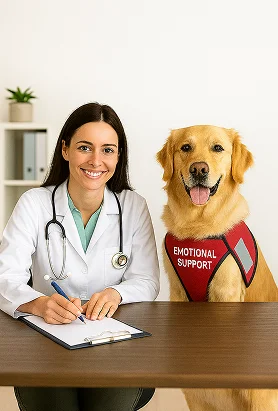
At RealESALetter.com, you can connect with a licensed healthcare professional who can assess your situation and determine whether a PSD letter is appropriate for your mental health needs.
Whether you need a service dog for PTSD, anxiety, depression, or another qualifying condition, we help you obtain legitimate documentation from real, licensed professionals.

WRITTEN BY
Dr. Avery Langston
Dr. Avery Langston is a licensed clinical therapist with more than 12 years of professional experience in emotional support animal (ESA) assessments, mental health counseling, and evidence-based therapeutic interventions. With a strong foundation in clinical psychology and a passion for mental-health education, Avery has guided thousands of individuals through the ESA qualification process while promoting emotional healing and stability. As a senior content contributor for RealESALetter.com, Avery focuses on writing accurate, accessible, and legally informed articles on ESA rights, housing protections, and mental wellness. Her mission is to help readers understand their ESA benefits clearly and confidently, backed by real clinical expertise.
Share this Article